
Angiography
Angiography in Bhopal | Dr. Chandra Kumar Singh
Treatment for Angiography is a specialized diagnostic procedure used to examine the blood vessels of the heart and detect blockages or narrowing in the coronary arteries. It is considered the gold standard for diagnosing coronary artery disease (CAD) and helps cardiologists determine the most effective treatment plan, whether it involves medication, angioplasty, or bypass surgery.
If you are experiencing symptoms of heart disease, Dr. Chandra Kumar Singh, an experienced Cardiologist in Bhopal, provides accurate and advanced angiography services using modern technology to ensure precise diagnosis and personalized cardiac care.
What is Angiography ?
Angiography, also known as Coronary Angiography, is a minimally invasive diagnostic procedure that uses a thin catheter and a special contrast dye to visualize the coronary arteries through X-ray imaging. The procedure helps identify blocked or narrowed arteries, evaluate blood flow to the heart, and diagnose various cardiovascular conditions.
Angiography plays a vital role in detecting heart disease at an early stage and planning appropriate treatment before serious complications occur.
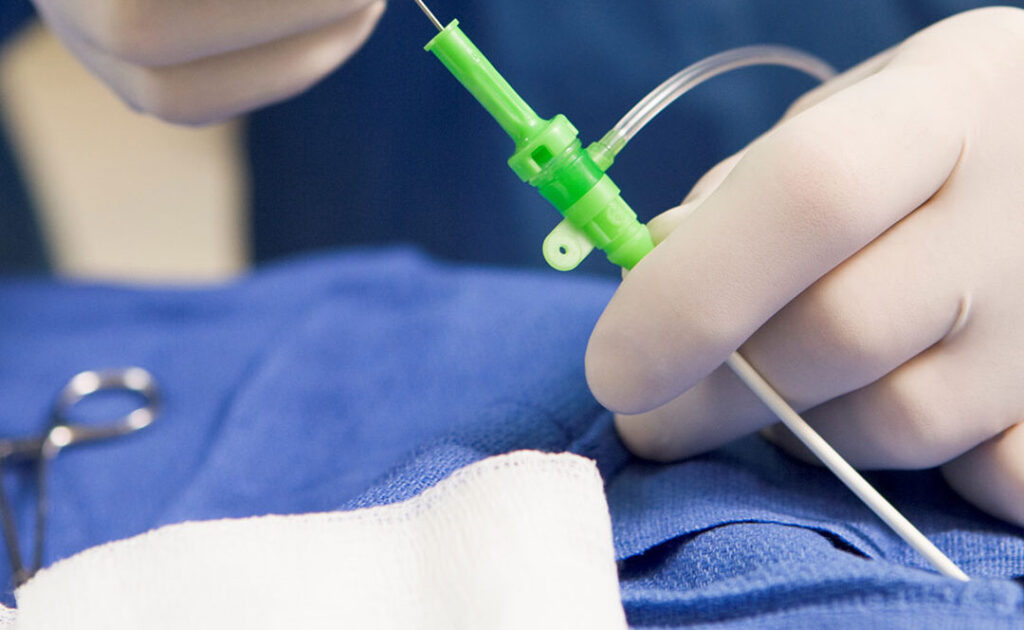
What is Angiography?
- Persistent chest pain (Angina)
- Chest tightness or pressure
- Shortness of breath
- Pain in the arm, shoulder, neck, jaw, or back
- Unexplained fatigue
- Dizziness or fainting
- Irregular heartbeat (Palpitations)
- Abnormal ECG or stress test results
- Symptoms of a heart attack
- Reduced exercise tolerance
Causes
- Coronary artery disease (CAD)
- Blocked or narrowed heart arteries
- High cholesterol
- High blood pressure (Hypertension)
- Diabetes
- Smoking and tobacco use
- Family history of heart disease
- Obesity
- Sedentary lifestyle
- Previous heart attack
- Congenital heart abnormalities
- Suspected valve or blood vessel disorders
Benefits of Angiography
- Accurate diagnosis of coronary artery disease
- Detects blocked or narrowed arteries
- Identifies the severity and location of blockages
- Helps plan angioplasty or bypass surgery if needed
- Minimally invasive diagnostic procedure
- Provides real-time imaging of heart blood vessels
- Supports early diagnosis and timely treatment
- Short recovery time
- Improves treatment outcomes
- Helps prevent future cardiac complications
Why Choose Our Clinic for Angiography in Bhopal?
Choosing the right cardiologist is essential for accurate diagnosis and effective treatment. At our clinic, we focus on delivering advanced cardiac diagnostics with precision, safety, and compassionate care.
Why Patients Trust Us
- Experienced Interventional Cardiologist
- 8+ years of expertise in cardiology
- Accurate diagnosis using advanced cardiac imaging
- Personalized evaluation and treatment planning
- Expertise in coronary angiography and angioplasty
- Modern diagnostic facilities
- Patient-focused and ethical healthcare
- Comprehensive management of heart diseases
- Timely diagnosis for better treatment outcomes
- Commitment to quality cardiac care

Meet Your Heart Specialist
Dr. Chandra Kumar Singh
Consultant Cardiologist
MD (Medicine), Safdarjung Hospital, New Delhi
DM (Cardiology), SGPGI, Lucknow
8+
Year Expirience
5000+
Patient trusted
1000+
Procedure done
24*7
Emergency Care
Dr. Chandra Kumar Singh is a highly skilled Consultant Cardiologist with 8+ years of experience in diagnosing and treating a wide range of heart conditions. He completed his MD (Medicine) from Safdarjung Hospital, New Delhi, DM (Cardiology) from SGPGIMS, Lucknow, and received advanced training in Interventional Cardiology from Rajiv Gandhi Super Speciality Hospital, New Delhi.
He specializes in angiography, complex angioplasty, pacemaker implantation, structural heart interventions, and advanced cardiac imaging. Dr. Singh is dedicated to delivering evidence-based, patient-centered heart care with a personalized approach, ensuring the best possible outcomes for every patient.
Connect with Social Media
Follow us on social media for updates and health tips.