Arrhythmia
Arrhythmia in Bhopal | Dr. Chandra Kumar Singh
The problem of arrhythmia at Bhopal is efficiently treated by the experienced cardiologist Dr. Chandra Kumar Singh. The disease can be characterized by the presence of such symptoms as palpitation, feeling of dizziness, pain in the chest, or fainting. Thus, the early evaluation is necessary. While some types of arrhythmia have no negative effects on the organism of a patient, other types of arrhythmia may result in the development of severe complications like stroke, heart failure, or sudden death. In addition, a prompt diagnosis and individual treatment are necessary in order to normalize the process of beating.
Dr. Chandra Kumar Singh makes use of the latest diagnostic procedures and treatment methods in order to diagnose and treat the disease. In case a person suffers from arrhythmia, one should visit a doctor.
What is Arrhythmia Treatment?
Arrhythmia Treatment is aimed at determining the cause of arrhythmia and bringing back to normal the heart’s electrical impulses. The form and severity of arrhythmia determines the treatment options such as making necessary changes in the patient’s lifestyle, drug therapy, heart rate monitoring, catheter procedures, pacemakers implantation, or other methods of treating arrhythmias.
Besides, periodic examination allows controlling the heart’s rhythm and maintaining the effectiveness of the treatment. The treatment leads to improved functioning of the heart and prevents complications associated with arrhythmia in most cases.
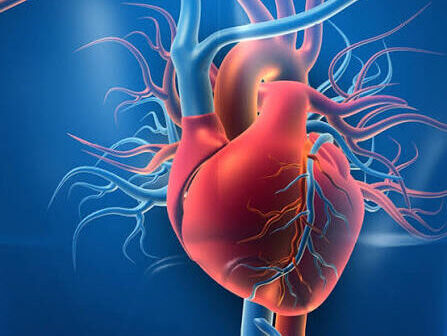
What is Arrhythmia?
- Irregular heartbeat
- Heart palpitations
- Rapid heartbeat (Tachycardia)
- Slow heartbeat (Bradycardia)
- Fluttering sensation in the chest
- Chest pain or discomfort
- Shortness of breath
- Dizziness
- Lightheadedness
- Fainting (Syncope)
- Excessive fatigue
- Weakness during physical activity
- Anxiety associated with irregular heartbeat
Causes
- Coronary artery disease
- High blood pressure (Hypertension)
- Previous heart attack
- Heart valve disorders
- Heart failure
- Congenital heart defects
- Diabetes
- Thyroid disorders
- Electrolyte imbalance
- Excessive caffeine intake
- Smoking and tobacco use
- Excessive alcohol consumption
- Stress and anxiety
- Certain medications
- Sleep apnea
Benefits of Arrhythmia
- Restores a normal heart rhythm
- Reduces heart palpitations
- Improves blood circulation
- Prevents stroke and blood clot formation
- Lowers the risk of heart failure
- Reduces the risk of sudden cardiac complications
- Improves exercise capacity
- Relieves dizziness and fainting episodes
- Enhances quality of life
- Supports long-term heart health
Why Choose Our Clinic for Arrhythmia Treatment in Bhopal?
Heart rhythm disorders require accurate diagnosis and expert management. At our clinic, we provide comprehensive cardiac evaluation using modern diagnostic techniques and evidence-based treatment plans tailored to each patient’s condition.
Why Patients Trust Us
- Experienced Interventional Cardiologist
- 8+ years of experience in advanced cardiac care
- Comprehensive evaluation of heart rhythm disorders
- Advanced ECG and cardiac diagnostic services
- Personalized treatment plans
- Expertise in pacemaker and cardiac device management
- Modern cardiac care with evidence-based treatment
- Compassionate, patient-centered approach
- Focus on early diagnosis and prevention of complications
- Complete heart care under one roof
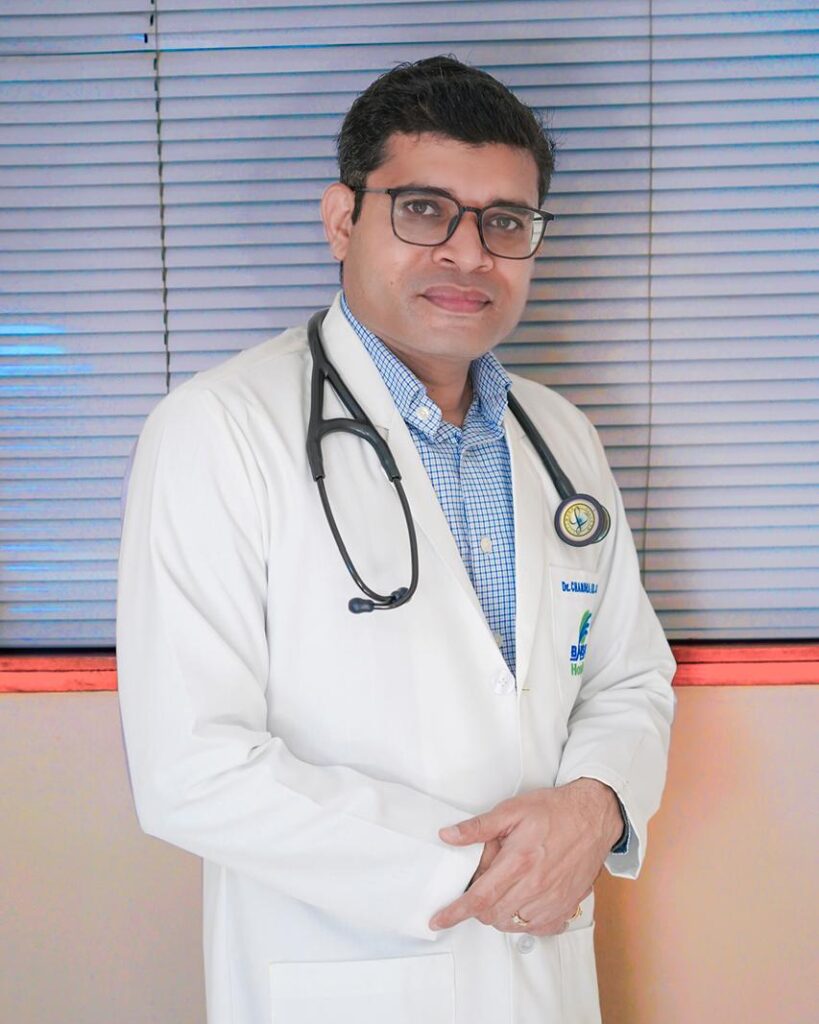
Meet Your Heart Specialist
Dr. Chandra Kumar Singh
Consultant Cardiologist
MD (Medicine), Safdarjung Hospital, New Delhi
DM (Cardiology), SGPGI, Lucknow
8+
Year Expirience
5000+
Patient trusted
1000+
Procedure done
24*7
Emergency Care
Dr. Chandra Kumar Singh is a highly skilled Consultant Cardiologist with 8+ years of experience in diagnosing and treating a wide range of heart conditions. He completed his MD (Medicine) from Safdarjung Hospital, New Delhi, DM (Cardiology) from SGPGIMS, Lucknow, and received advanced training in Interventional Cardiology from Rajiv Gandhi Super Speciality Hospital, New Delhi.
He specializes in angiography, complex angioplasty, pacemaker implantation, structural heart interventions, and advanced cardiac imaging. Dr. Singh is dedicated to delivering evidence-based, patient-centered heart care with a personalized approach, ensuring the best possible outcomes for every patient.
Connect with Social Media
Follow us on social media for updates and health tips.