Biventricular Pacemaker
Biventricular Pacemaker in Bhopal | Dr. Chandra Kumar Singh
Biventricular Pacemaker in Bhopal is an advanced treatment for patients with heart failure and abnormal heart rhythms. A biventricular pacemaker, also known as Cardiac Resynchronization Therapy (CRT), helps improve the heart’s pumping function by coordinating the contractions of both ventricles. Dr. Chandra Kumar Singh provides expert Biventricular Pacemaker implantation in Bhopal using advanced technology and personalized cardiac care.
Cardiac Resynchronization Therapy (CRT) is an advanced device-based treatment for patients with moderate to severe heart failure and abnormal electrical conduction in the heart. A Biventricular Pacemaker (CRT-P) or Cardiac Resynchronization Therapy Defibrillator (CRT-D) helps both the right and left ventricles beat in a coordinated manner, improving the heart’s pumping efficiency.
CRT can significantly reduce heart failure symptoms, improve exercise capacity, lower the risk of hospitalization, and enhance overall quality of life. In selected patients, CRT-D also provides protection against life-threatening ventricular arrhythmias by delivering life-saving defibrillation therapy when required.
What is Biventricular Pacemaker?
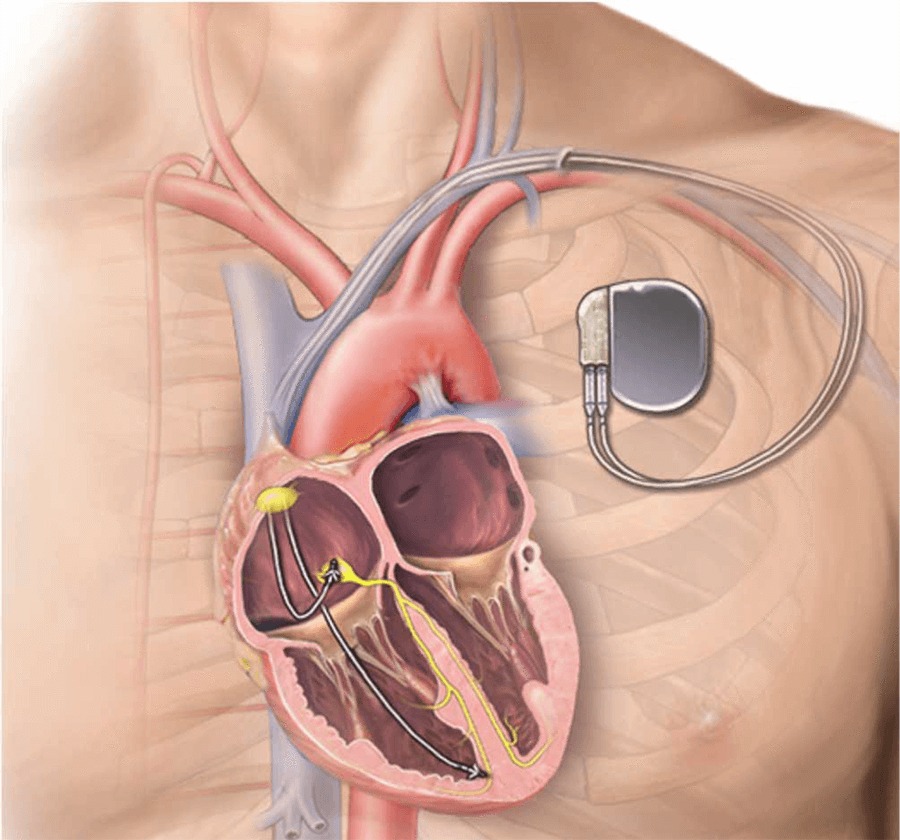
A Biventricular Pacemaker is a specialized cardiac device implanted beneath the skin of the chest. Unlike a standard pacemaker, CRT devices stimulate both the right and left ventricles simultaneously, allowing the heart to contract more efficiently.
There are two types of CRT devices:
CRT-P (Cardiac Resynchronization Therapy Pacemaker)
A CRT-P coordinates the heart’s pumping action by synchronizing the contractions of both ventricles, helping improve heart function and relieve symptoms of heart failure.
CRT-D (Cardiac Resynchronization Therapy Defibrillator)
A CRT-D combines the benefits of cardiac resynchronization with an Implantable Cardioverter Defibrillator (ICD). In addition to improving heart function, it can detect and treat dangerous ventricular arrhythmias by delivering pacing or a life-saving shock when necessary.
The choice between CRT-P and CRT-D depends on the patient’s heart function, underlying heart disease, and risk of sudden cardiac death.
What is Biventricular Pacemaker?
- Persistent shortness of breath
- Fatigue and weakness
- Difficulty performing routine activities
- Swelling in the legs, ankles, or feet
- Reduced exercise tolerance
- Rapid or irregular heartbeat
- Difficulty breathing while lying flat
- Frequent nighttime breathlessness
- Recurrent hospitalization due to heart failure
- Chest discomfort
- Persistent cough related to heart failure
- Dizziness or fainting
Causes
- Dilated cardiomyopathy
- Ischemic heart disease
- Previous heart attack
- Chronic heart failure
- Left bundle branch block (LBBB)
- Severe left ventricular dysfunction
- Long-standing hypertension
- Heart valve disease
- Congenital heart disease
- Certain inherited heart muscle disorders
Benefits of Biventricular Pacemaker
- Improves heart pumping efficiency
- Synchronizes right and left ventricular contractions
- Relieves symptoms of heart failure
- Reduces shortness of breath and fatigue
- Improves exercise capacity
- Decreases hospital admissions for heart failure
- Enhances quality of life
- Improves long-term survival in eligible patients
- CRT-D provides protection against sudden cardiac death
- Supports better long-term heart function
Why Choose Our Clinic for CRT-P/CRT-D Implantation in Bhopal?
Cardiac Resynchronization Therapy requires advanced expertise in heart failure management and cardiac device implantation. Our clinic offers comprehensive evaluation, precise implantation techniques, and long-term follow-up to ensure optimal outcomes.
Why Patients Trust Us
- Experienced Interventional Cardiologist
- Over 8+ years of experience in cardiology
- Advanced diagnosis and treatment planning
- Expertise in coronary angioplasty and stenting
- Personalized treatment for every patient
- Modern cardiac diagnostic facilities
- Evidence-based treatment protocols
- Compassionate and ethical patient care
- Focus on patient safety and faster recovery
- Comprehensive heart disease management under one roof

Meet Your Heart Specialist
Dr. Chandra Kumar Singh
Consultant Cardiologist
MD (Medicine), Safdarjung Hospital, New Delhi
DM (Cardiology), SGPGI, Lucknow
8+
Year Expirience
5000+
Patient trusted
1000+
Procedure done
24*7
Emergency Care
Dr. Chandra Kumar Singh is a highly skilled Consultant Cardiologist with 8+ years of experience in diagnosing and treating a wide range of heart conditions. He completed his MD (Medicine) from Safdarjung Hospital, New Delhi, DM (Cardiology) from SGPGIMS, Lucknow, and received advanced training in Interventional Cardiology from Rajiv Gandhi Super Speciality Hospital, New Delhi.
Connect with Social Media
Follow us on social media for updates and health tips.