
Angioplasty
Angioplasty in Bhopal | Dr. Chandra Kumar Singh
Treatments for Angioplasty in Bhopal is a minimally invasive heart procedure used to open blocked or narrowed coronary arteries and improve blood flow to the heart. Dr. Chandra Kumar Singh provides advanced angioplasty treatment using modern technology and evidence-based techniques. As a result, many patients experience better circulation, reduced chest pain, and improved heart function. Moreover, every treatment plan is customized according to the patient’s condition to ensure safe and effective cardiac care.
What is Angioplasty?
Angioplasty is a cardiac procedure that restores blood flow through blocked heart arteries without major surgery. During the procedure, a thin catheter with a small balloon is gently guided to the blocked artery. Once it reaches the affected area, the balloon is inflated to widen the artery. In most cases, a stent is also placed to keep the artery open. Consequently, blood flows more freely to the heart, reducing symptoms and lowering the risk of future heart complications. Furthermore, most patients recover faster than with traditional open-heart surgery.
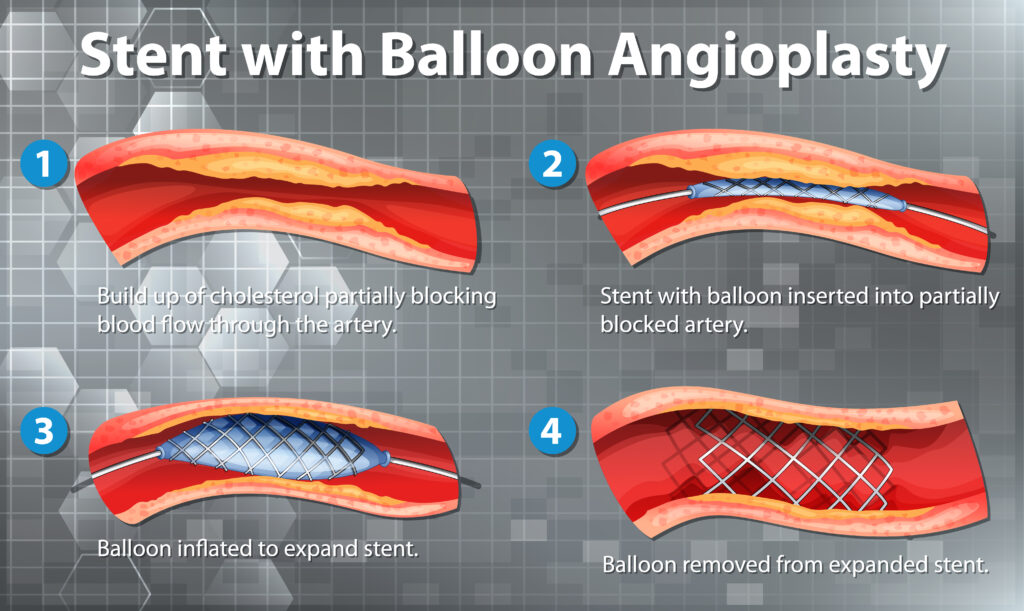
What is Angioplasty ?
- Chest pain (Angina)
- Chest tightness or pressure
- Shortness of breath
- Pain spreading to the arm, neck, jaw, or back
- Fatigue during physical activity
- Dizziness or fainting
- Sweating with chest discomfort
- Irregular heartbeat
- Reduced exercise tolerance
- Symptoms of a heart attack
Causes
- Coronary artery disease (CAD)
- Cholesterol plaque buildup
- High blood pressure
- Diabetes
- Smoking and tobacco use
- Obesity
- Physical inactivity
- High cholesterol levels
- Family history of heart disease
- Chronic stress
- Unhealthy eating habits
- Increasing age
Benefits of Angioplasty
- Restores normal blood flow to the heart
- Relieves chest pain and discomfort
- Reduces the risk of heart attack
- Improves heart function
- Minimally invasive procedure
- Faster recovery compared to open-heart surgery
- Shorter hospital stay
- Improves quality of life
- Helps patients return to daily activities sooner
- Long-lasting relief with proper lifestyle management
Why Choose Our Clinic for Angioplasty in Bhopal?
Selecting the right cardiologist plays an important role in the treatment process. The cardiologist Dr. Chandra Kumar Singh provides state-of-the-art angioplasty treatment with a keen concern for the well-being of the patients’ hearts. Moreover, the latest technology is used for the diagnoses, along with international standards of treatment. Every patient is evaluated carefully prior to the procedure and is provided with follow-up treatment after the treatment is completed.
Why Patients Trust Us
- Experienced Interventional Cardiologist
- Over 8+ years of experience in cardiology
- Advanced diagnosis and treatment planning
- Expertise in coronary angioplasty and stenting
- Personalized treatment for every patient
- Modern cardiac diagnostic facilities
- Evidence-based treatment protocols
- Compassionate and ethical patient care
- Focus on patient safety and faster recovery
- Comprehensive heart disease management under one roof
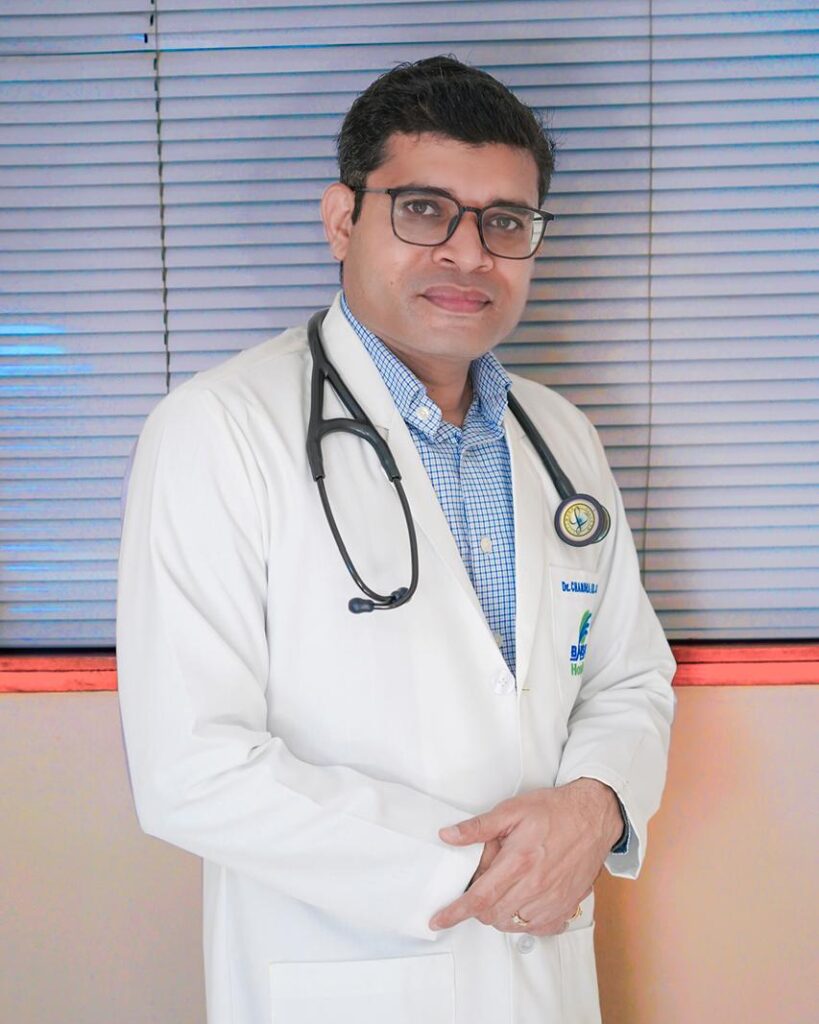
Meet Your Heart Specialist
Dr. Chandra Kumar Singh
Consultant Cardiologist
MD (Medicine), Safdarjung Hospital, New Delhi
DM (Cardiology), SGPGI, Lucknow
8+
Year Expirience
5000+
Patient trusted
1000+
Procedure done
24*7
Emergency Care
Dr. Chandra Kumar Singh is an exceptionally talented Consultant Cardiologist. Furthermore, he has an MD in Cardiology and has gained experience in the field of heart diseases for more than 8 years. Dr. Chandra Kumar Singh obtained his MD (Medicine) from Safdarjung Hospital, New Delhi and DM (Cardiology) from SGPGIMS, Lucknow and had done specialization in Interventional Cardiology from Rajiv Gandhi Super Speciality Hospital, New Delhi.
Connect with Social Media
Follow us on social media for updates and health tips.